Networks & Systems
More than 20 years across networking, infrastructure, troubleshooting, enterprise support, Windows environments, servers, and the operational foundations that keep technology useful.
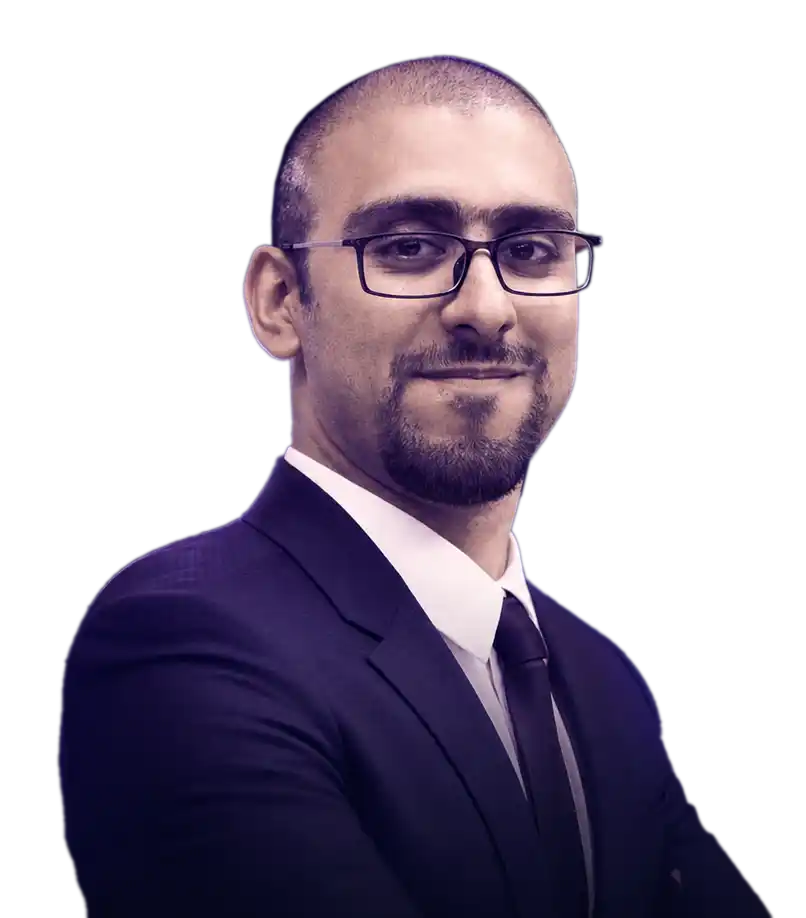
About Arash
Thirty years ago, a personal computer entered my life. What began with typing, experimenting, and fixing whatever broke eventually became a career built around systems and problem-solving. For more than 20 years, networking and IT have been the foundation; automation, programming, DevOps, cybersecurity, and AI came later as the problems got bigger and the tools got better.
Today, I help professionals and teams understand AI, use it in real work, and build the judgment to know where it helps—and where it does not.
The long version
Most of what shaped me did not happen in polished labs or perfect demo environments. It happened when someone’s computer stopped working, when a small company needed its network back, or when a system had to keep running because real people depended on it.
Working in computer shops, supporting individuals, helping small businesses, and later working in larger enterprise environments taught me to see technology as connected layers. A network problem can actually be a process problem. A security incident can begin with a human habit. A repetitive support task can be an automation opportunity.
That way of thinking is what pulled me into automation about 13 years ago and into programming later on. I did not collect new skills to collect titles. I learned them because the problems I wanted to solve had outgrown the tools I already had.
I approached generative AI the same way. When ChatGPT arrived, I was interested less in the novelty and more in the leverage: what it could improve, what it could automate, where it could fail, and what people needed to understand before trusting it. That is the perspective I bring to teaching now—practical, curious, and grounded in how technology behaves outside the demo.
The skill stack
My career did not move in a straight line from one title to the next. Each layer grew out of the problems in the layer before it—and that is exactly why I care so much about how skills connect.
More than 20 years across networking, infrastructure, troubleshooting, enterprise support, Windows environments, servers, and the operational foundations that keep technology useful.
Security thinking, safer systems, practical risk awareness, and helping people understand that security is a habit before it is a product.
More than a decade of removing repetitive work, connecting systems, scripting workflows, and asking the useful question: why are we still doing this by hand?
Programming, containers, CI/CD, deployment workflows, and the bridge between building software, automating systems, and keeping things alive in production.
Applied AI, prompt engineering, context design, tool use, practical workflows, critical evaluation, and using models as systems rather than magic boxes.
Turning technical complexity into clear explanations, structured learning paths, workshops, courses, and useful experiments people can try themselves.
Why Skill Studio exists
AI made this problem worse and better at the same time. There are more tools, more claims, more tutorials, more “secret prompts,” and more reasons to feel behind.
I built Skill Studio around a simpler idea: people usually do not need everything. They need the right next skill, explained clearly, connected to a real purpose, and followed by practice.
Build the skills your future needs.
How I think about learning
A faster bad process is still a bad process. Sometimes it is just a bad process with a dashboard.
Learn the principles behind the interface so the next shiny tool does not reset you to zero.
Use judgment. Check important claims. Keep your own thinking switched on.
One real project teaches more than twenty saved videos gathering digital dust.
The human part
I am also a husband and a father. That matters to how I think about the future. I do not see technology as a race to use every new thing. I care about which skills will help people stay capable, independent, useful, and curious in a changing world.
I am still learning too. Skill Studio is not a monument to finished knowledge. It is a workshop.
Start somewhere useful
Find the next skill that makes the rest of your path clearer.